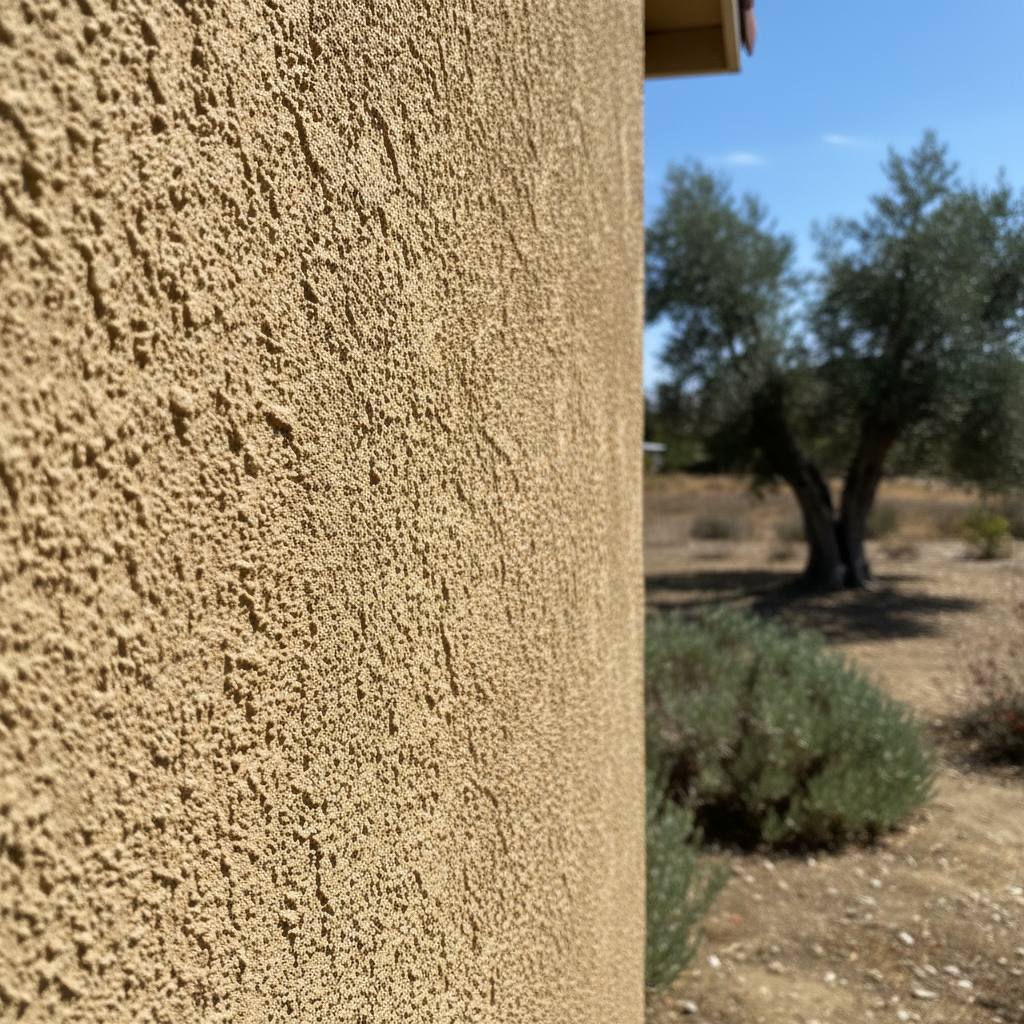
Alright, let's talk stucco inspections. You've got stucco on your home, and you want to make sure it's doing its job – protecting your biggest investment, right? It's not rocket science, but there are definitely things you, as a homeowner, can and should be looking for. And then there are times when you absolutely need to bring in a pro. Here's how to think about it before, during, and after any stucco project.
Before You Even Think About a Project
Even if you're not planning a big stucco job right now, you should be giving your exterior a good once-over at least once a year. Think of it like a health check-up for your house. Our Rialto weather, with those intense summer heats and occasional Santa Ana winds, can really put stucco to the test. That constant expansion and contraction, plus the abrasive dust, can cause issues over time.
What You Can Do (DIY Inspection):
- Walk Around and Look: Seriously, just take a walk around your house. Get up close. Look for any cracks, especially around windows, doors, and corners. Hairline cracks are pretty common and usually not a huge deal, but if you see anything wider than a credit card, or if cracks are getting bigger, that's a red flag.
- Check for Discoloration or Stains: Dark spots, streaks, or any kind of discoloration can mean water is getting in where it shouldn't. Pay extra attention to areas below windowsills, rooflines, and near the ground.
- Feel for Soft Spots or Bulges: Gently press on the stucco in different areas. If it feels soft, spongy, or you hear a hollow sound, that could indicate moisture trapped behind it, leading to rot or mold.
- Look at the Base: Stucco shouldn't touch the ground. You need at least a couple of inches of clearance from concrete and ideally 6-8 inches from soil. If it's too low, water can wick up into the stucco, causing it to break down. This is super important, especially with our clay-heavy soils in some parts of Southern California that can retain water and cause problems.
- Examine Sealants and Flashing: Check around all penetrations – windows, doors, pipes, and where the stucco meets the roof. Are the sealants cracked, peeling, or missing? Is the flashing doing its job? Gaps here are prime entry points for water.
When to Call in Rialto Stucco & Plastering (or another Pro):
If you find any of those red flags – wider cracks, significant discoloration, soft spots, or compromised flashing – it's time to get a professional stucco inspection. We're talking about more than just a visual check here. A pro can do a non-invasive inspection using moisture meters to detect hidden water. If needed, they might even do an invasive inspection where small holes are drilled to get a look and moisture readings behind the stucco. This helps pinpoint the exact problem and how bad it is.
During a Stucco Project (New Install or Repair)
Whether you're getting new stucco or having repairs done, staying involved during the process is smart. You don't need to hover, but knowing what to look for ensures things are done right.
What You Can Do (DIY Monitoring):
- Understand the Plan: Before work starts, make sure you understand the scope. Ask questions about the materials, the number of coats, and how they'll handle details around windows and doors.
- Observe Preparation: Good stucco starts with good prep. Is the surface clean? Are they properly installing the lath (the mesh that holds the stucco)? Are they putting in weep screeds at the bottom and control joints where needed? Control joints help manage movement and prevent cracking in larger stucco areas.
- Check for Proper Application: Stucco is applied in layers. You'll want to see consistent thickness and good coverage. Our crews at Rialto Stucco & Plastering are meticulous about this, ensuring proper curing times, which is crucial for durability.
- Look at Details: Again, pay attention to windows, doors, and other penetrations. Is new flashing being installed correctly? Are they sealing everything up tight?
When to Call in a Pro (or Speak Up):
If something just doesn't look right, or if the crew isn't following the agreed-upon plan, speak up immediately. If you're unsure about a specific detail, don't hesitate to ask your contractor to explain it. A good contractor will welcome your questions and want you to be confident in the work.
After the Stucco Project is Done
The job's finished, it looks great, but your work isn't over. Regular maintenance and inspections are key to making that stucco last for decades.
What You Can Do (DIY Maintenance):
- Annual Visual Checks: Go back to that yearly walk-around. Look for new cracks, stains, or any changes. Early detection of small issues can save you a ton of money down the road.
- Keep it Clean: Stucco can get dirty. A gentle rinse with a garden hose can help keep it looking good. If you need more, consider a professional low-pressure wash every few years. Just don't blast it with a high-pressure washer; that can cause damage.
- Maintain Landscaping: Keep plants, bushes, and irrigation away from your stucco. Moisture from landscaping is a common culprit for stucco problems.
When to Call in a Pro:
If you spot any new significant cracks, signs of moisture intrusion, or areas that seem to be deteriorating, don't wait. Even small cracks can let water in, leading to bigger problems like mold or structural damage. Sometimes, a simple re-sealing of vulnerable areas every 7-10 years can prevent major headaches. If you're seeing issues, get us or another qualified stucco professional out there to assess it. We'll give you an honest opinion on what needs to be done to keep your Rialto home protected and looking its best.