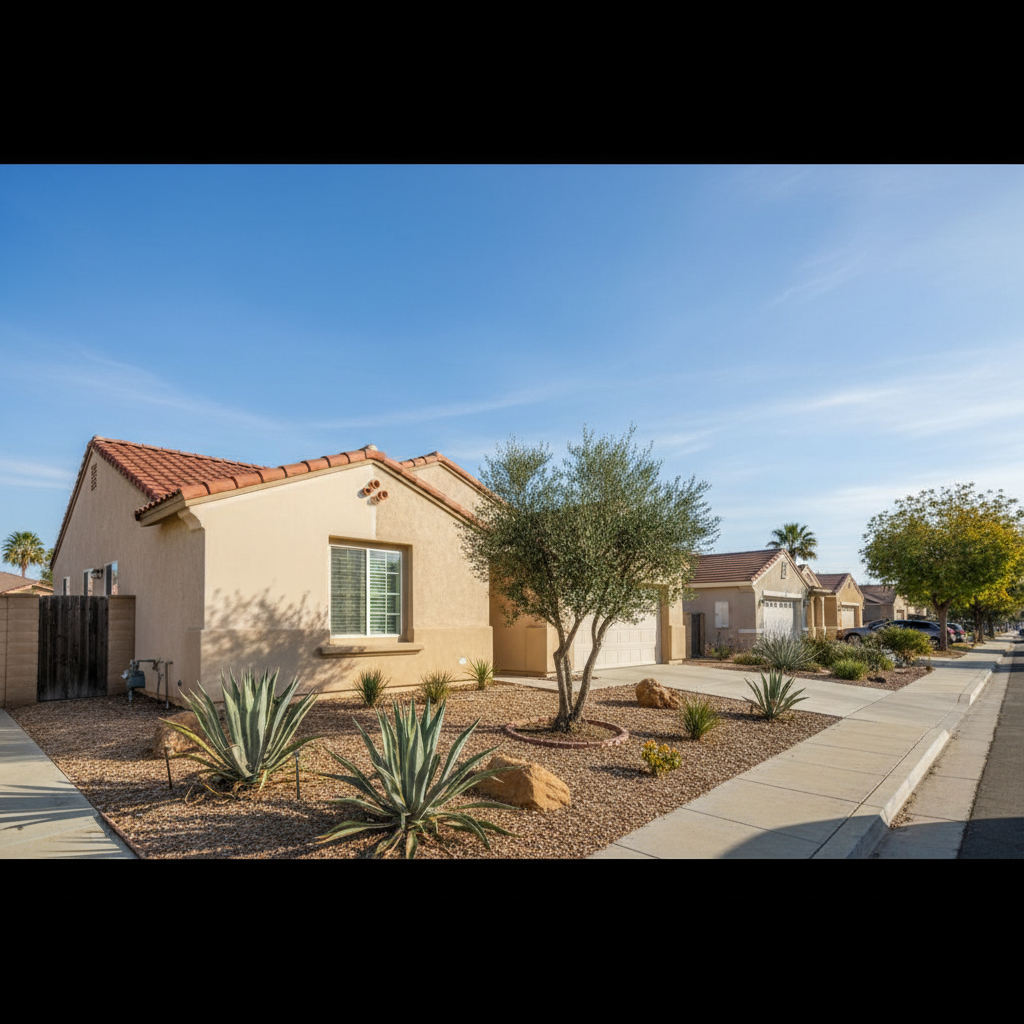
Got stucco on your place? Chances are, you've spotted a crack or two. Maybe it's just a tiny hairline, or perhaps something a bit more noticeable. Whatever the size, you're probably scratching your head, wondering what to do. Here in Rialto, dealing with stucco isn't just about slapping on a quick patch. It's really about understanding what makes our houses tick, and, more importantly, why our stucco cracks in the first place.
Rialto's Climate and Your Stucco
Our local weather here in Rialto plays a huge role in how your stucco holds up, wouldn't you agree? We've got those long, hot, dry summers where temperatures can easily hit the mid-90s—sometimes even soaring past 100 degrees. Then, winter brings cooler, partly cloudy days. This constant back-and-forth between scorching heat and cooler nights, especially during summer, makes building materials expand and contract. Over time, that movement really stresses your stucco, leading to cracks.
Just think about the homes in the older parts of town, maybe around Riverside Avenue, or even those developments closer to the 210 Freeway. Many of these houses feature traditional stucco, and they've weathered decades of this thermal cycling. The sun's UV rays don't just fade the color; they can actually break down the stucco finish itself, making it more brittle and prone to cracking. And that dry air we're so used to? It can definitely make minor cracks worse.
Common Stucco Problems We See Locally
So, what kind of damage does all this environment cause? I've honestly seen it all, but here are some of the most common stucco problems we fix for homeowners right here in Rialto:
- Hairline Cracks: These pop up pretty often. They're usually thin, like spiderwebs. A lot of the time, they're just cosmetic, caused by the stucco drying too fast during installation or minor thermal expansion. But even small cracks can let moisture in, and that's when a little problem can snowball into a big one.
- Diagonal Cracks: If you notice cracks running diagonally from the corners of your windows or doors, that's often a sign of structural movement or settling. Our region, being Southern California, experiences seismic tremors—we don't get huge quakes all the time, but even small shifts can stress your home's structure and show up in your stucco.
- Water Stains and Efflorescence: These are huge red flags, no kidding. Water stains mean moisture is getting behind your stucco, which can lead to mold, wood rot, and even bigger structural issues. Efflorescence is that white, powdery stuff you sometimes see. It means water is dissolving salts in the stucco and pulling them to the surface as it evaporates. If you spot this, you absolutely have a moisture problem.
- Delamination or Blistering: This is when the stucco starts to peel away from the wall or bubble up. Again, water is usually the main culprit, getting trapped behind the finish and causing pressure.
Another thing to keep in mind is our local soil. San Bernardino County has all sorts of soil types, including Bernardino series soils on older alluvial fans, which can be slow to drain. If your home's foundation shifts, even a tiny bit, because of soil expansion or settlement, that stress can transfer right to your stucco and cause cracking.
Why Local Expertise Matters for Stucco Repair
You might think stucco repair is pretty much the same everywhere, right? Wrong. That's just not true, especially here in Rialto. A contractor from a different climate might not grasp the specific challenges we face:
- Our Intense Sun: It's not just about fading, believe me. The UV radiation here degrades the acrylic binders in finish coats much faster. We really need to use materials and techniques that can stand up to that kind of relentless exposure. Elastomeric paints, for instance, offer superior flexibility and waterproofing, which is fantastic for our climate.
- Temperature Swings: The constant expansion and contraction means we've got to use repair materials that have good flexibility and adhesion. Patching compounds need to cure correctly, and our hot, dry summers can make them dry too fast, leading to more cracks if they aren't handled just right.
- Moisture Management: Even though it's arid here, when it does rain, it can pour. Any cracks in your stucco become easy entry points for water. A local expert knows how important proper flashing and weather-resistive barriers are to prevent water intrusion—that's critical for protecting the wood framing underneath. The City of Rialto also stresses managing storm water runoff to prevent pollution, which connects to how we protect our homes, doesn't it?
- Building Codes: The City of Rialto follows California Building Codes, which include specific rules for stucco installation and repair. These codes are designed to deal with California's unique conditions, like seismic activity and weather. You definitely want a contractor who's up-to-date on these local regulations.
At Rialto Stucco & Plastering, we've been working with stucco all over Rialto for years. We know the older homes near the historic downtown and the newer developments in the northern parts of the city equally well. We truly understand the unique demands our desert climate puts on exterior finishes. We don't just patch things up; we dig into the underlying issues, making sure the repair lasts and protects your home for the long haul. That local insight means we recommend and apply materials that really stand up to Rialto's specific environment, helping prevent common problems like premature cracking or fading often seen with less informed approaches.
Please, don't wait until a small crack turns into a huge headache. If you're seeing any signs of stucco damage, get a local pro to take a look. It's all about protecting your investment and keeping your home looking its best, right here in Rialto.